Revolutionizing Waste Management For A Sustainable Future
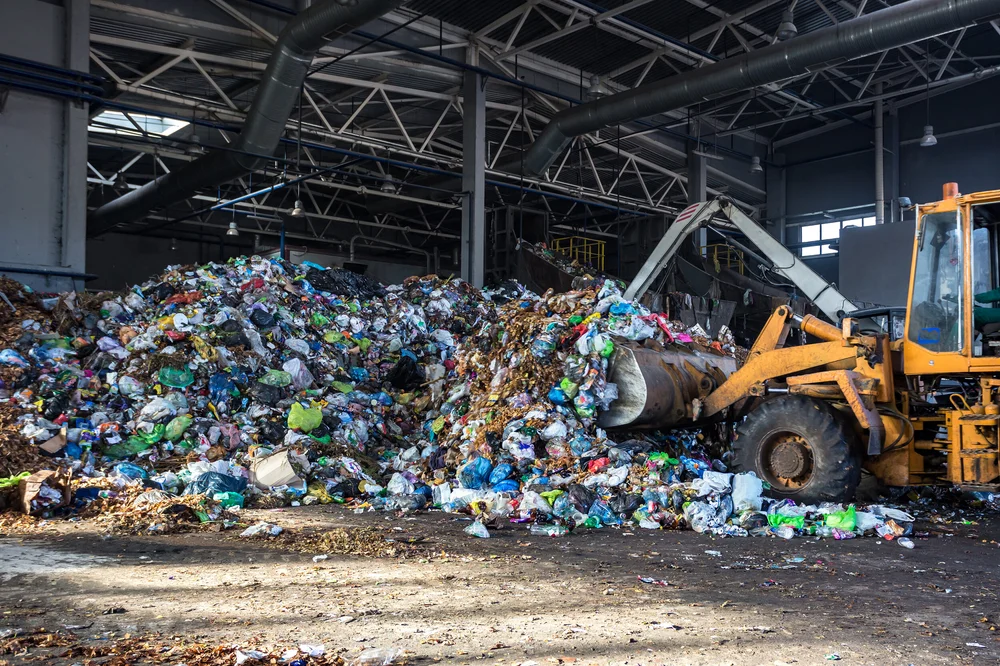
Reduce, Reuse, Recycle:
The cornerstone of waste facilities is the "reduce, reuse, recycle" mantra. By reducing our consumption, reusing items, and recycling materials, we can minimize the amount of waste that ends up in landfills or incinerators. This approach conserves resources, saves energy, and reduces greenhouse gas emissions associated with waste disposal.
Proper Segregation And Collection:
Effective waste management begins with proper segregation and collection systems. By separating waste streams at the source, such as homes, businesses, or public spaces, we can facilitate recycling and ensure that hazardous or non-recyclable waste is handled appropriately. Establishing efficient collection systems that cover all waste types and locations is crucial for an effective waste system.
Composting Organic Waste:
Organic waste, such as food scraps and yard trimmings, comprises a significant portion of municipal waste. Implementing composting programs allows for the conversion of organic waste into nutrient-rich compost, which can be used to improve soil quality and promote sustainable agriculture. Composting not only reduces the volume of waste going to landfills but also minimizes methane emissions, a potent greenhouse gas generated during the decomposition of organic waste.
Hazardous Waste Management:
Proper handling and disposal of hazardous waste, including chemicals, electronic waste, and medical waste, are critical for protecting human health and the environment. Establishing specialized collection points and treatment facilities ensures that hazardous waste is managed safely, preventing contamination of soil, water, and air.
Waste-to-Energy Conversion:
Waste-to-energy technologies, such as incineration or anaerobic digestion, offer opportunities to convert non-recyclable waste into energy. These processes generate electricity or heat, reducing the reliance on fossil fuels and providing a sustainable energy source. However, it is essential to ensure that waste-to-energy facilities are equipped with advanced pollution control technologies to minimize emissions and environmental impacts.
Extended Producer Responsibility (EPR):
Implementing Extended Producer Responsibility programs holds manufacturers accountable for the environmental impact of their products throughout their lifecycle. This approach encourages product design that facilitates recycling and reduces waste generation. By shifting the responsibility back to the producers, EPR promotes more sustainable production and consumption patterns.
Public Education And Awareness:
Raising public awareness about waste management system practices is crucial for fostering behavioral change. Educating communities about the importance of waste reduction, recycling, and responsible waste disposal encourages active participation and promotes a culture of sustainability. By empowering individuals to make informed choices, we can collectively work towards a cleaner and greener future.
Conclusion:
Waste system is a key pillar of sustainable development. By adopting strategies such as waste reduction, recycling, proper segregation, composting, hazardous waste system, waste-to-energy conversion, and extended producer responsibility, we can significantly reduce waste generation, conserve resources, and protect the environment. Through public education and awareness, we can empower individuals to become responsible consumers and active participants in waste facilities initiatives. Together, we can shape a sustainable future where waste is minimized, resources are conserved, and the well-being of our planet is prioritized.


Comments
Post a Comment